


When planning a roof replacement or building a new home, the choice between a flat roof and a pitched roof can have a big impact on future resale value. Each option offers unique benefits, from the modern aesthetic and usable space of flat roofs to the durability and traditional appeal of pitched ones. Local hilo roofers can help homeowners understand which style best fits their property and market trends. By weighing maintenance needs, climate considerations, and buyer preferences, you can make a decision that not only protects your home but also maximizes its value when it’s time to sell.
Curb Appeal and Buyer Preferences
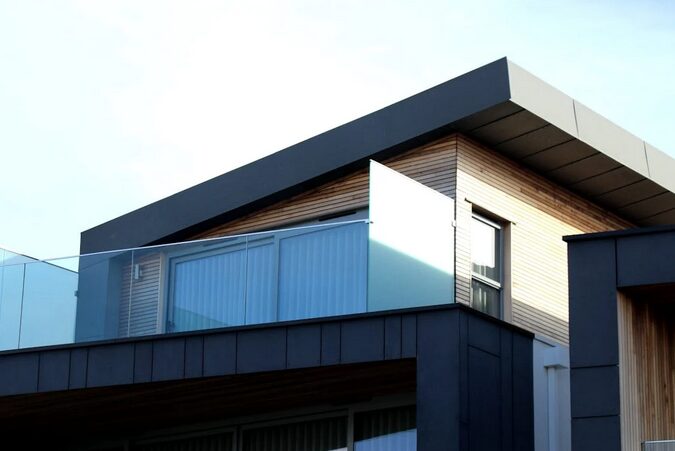
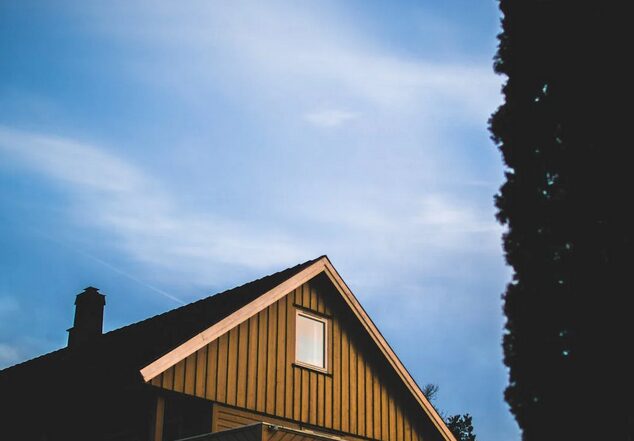
Pitched roofs often appeal to traditional buyers who value timeless design and a cozy, classic look. Their symmetry and character can make a home stand out on the market. Flat roofs, on the other hand, give off a modern, minimalist vibe that resonates with buyers who favor contemporary architecture. The right style largely depends on your target market. In neighborhoods where sleek, boxy homes are trending, a flat roof may shine, while in suburban or historic areas, pitched roofs may draw higher offers.
Maintenance and Durability
Maintenance is a key factor buyers consider, and this is where pitched roofs often take the lead. Their sloped design allows water and snow to run off easily, reducing the risk of pooling and leaks. Flat roofs, while structurally sound when built properly, may require more frequent inspections and upkeep to handle drainage effectively. Buyers who don’t want to deal with potential water issues may lean toward pitched roofs. However, newer flat roof technologies have improved durability, making them a stronger contender than they once were.
Usable Space and Functionality
Flat roofs offer something pitched ones can’t: usable rooftop space. Many homeowners convert them into rooftop gardens, patios, or even solar panel hubs, which can be a huge selling point in urban areas where outdoor space is limited. Pitched roofs typically don’t allow this kind of functionality, but can provide extra attic storage, which some buyers value just as much. The resale advantage here comes down to how well the additional space aligns with buyers’ lifestyles and the property’s overall design.
Energy Efficiency and Comfort
Energy performance can also sway buyers’ opinions. Flat roofs generally allow for better installation of energy-efficient systems like solar panels or green roofs. Pitched roofs, however, excel at ventilation and insulation, which can reduce heating and cooling costs. A buyer who prioritizes eco-friendly upgrades may favor a flat roof, while someone who wants consistent comfort with less thought about add-ons may prefer a pitched roof. In either case, demonstrating energy savings can tip the scales during negotiations.
Long-Term Value and Market Trends
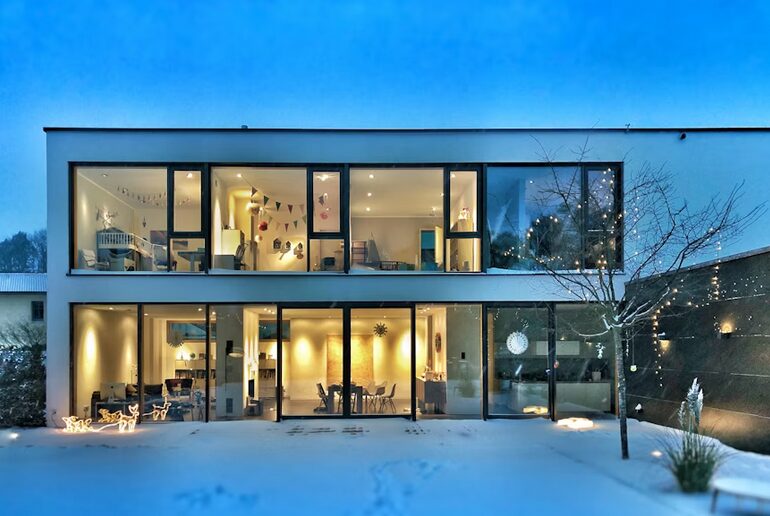
Resale value is closely tied to market trends, and these can vary widely by location. In areas where modern homes dominate, flat roofs may sell faster and at higher prices. In more traditional neighborhoods, pitched roofs tend to hold their value better. Buyers also consider lifespan: pitched roofs often last longer with fewer repairs, which can be appealing for long-term homeowners. Ultimately, the “better” choice for resale isn’t universal—it depends on how your home fits into its surroundings and what buyers in your area want most.
When weighing flat roof vs pitched roof for resale, both options have strong selling points. Pitched roofs deliver classic curb appeal, durability, and lower maintenance, while flat roofs offer modern style, usable space, and energy-efficient opportunities. The best choice depends on your home’s design, your local market, and the type of buyer you hope to attract. A roof isn’t just a shelter—it’s a statement that can influence how quickly your property sells and for how much. Choosing wisely could mean the difference between a quick sale and a lingering listing.…
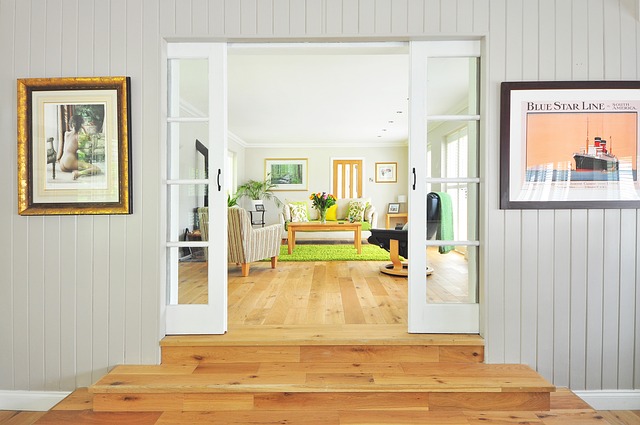
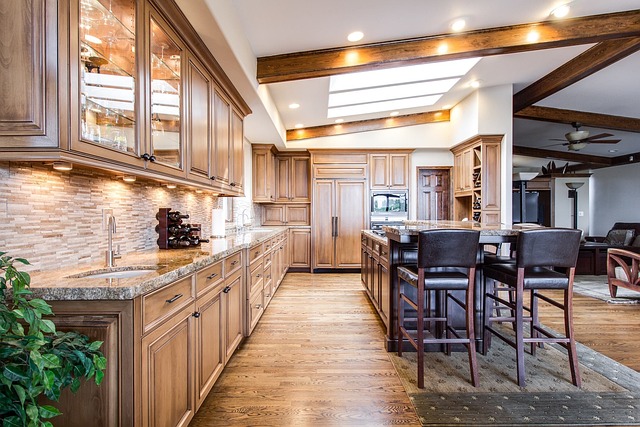
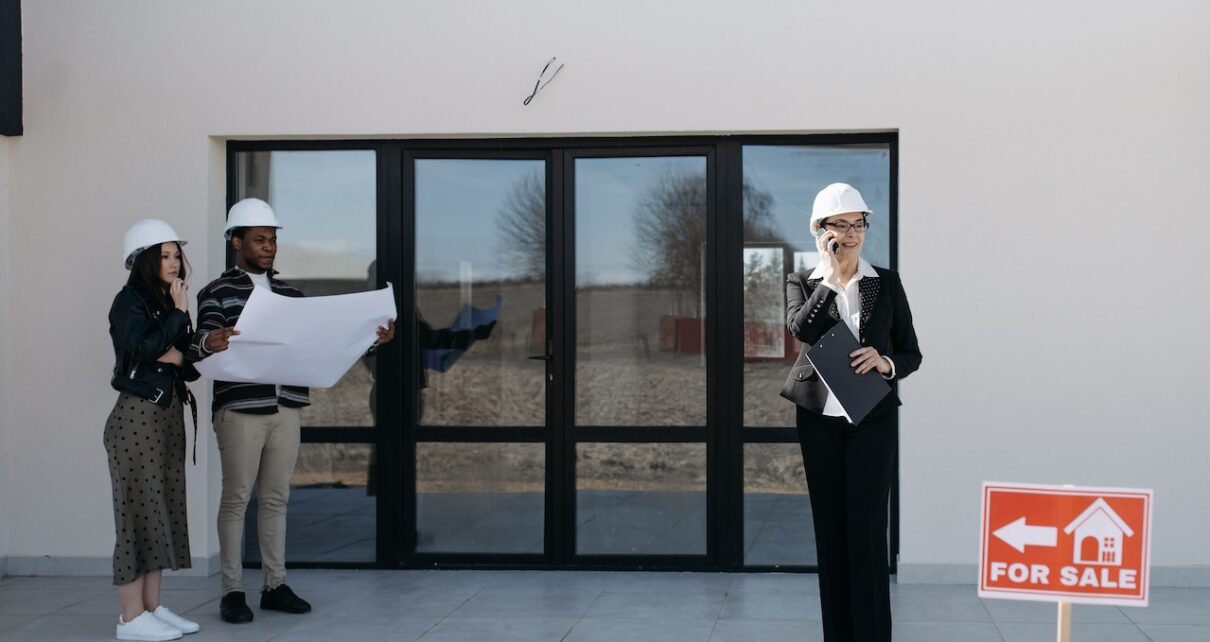

 Finally, a lack of curb appeal can be a major turnoff for buyers. If your home looks unkempt and rundown from the outside, it’s unlikely that buyers will take a second look. Make sure to spruce up your yard with fresh landscaping and paint, as this will make all the difference in how your home is perceived. However, be sure you don’t overdo it – too much landscaping can be off-putting and make the home look unnatural. Paying attention to these top deal breakers can ensure your home stands out from the competition and attracts more buyers.
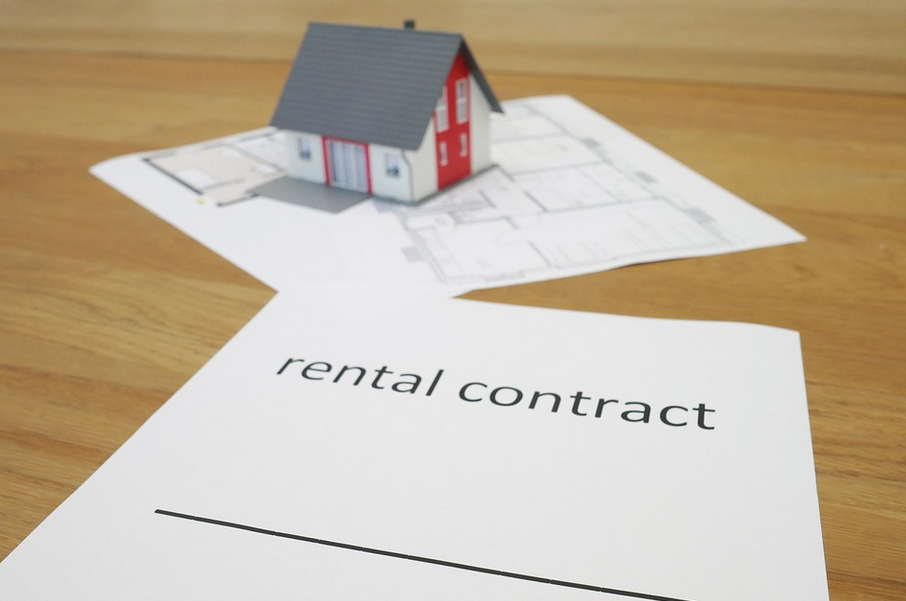
 When you buy a home, you’re investing in your future. You’re building equity that you can tap into later in life. And, if you decide to sell your home, you’ll likely make a profit. With renting, you’re essentially throwing your money away. Sure, you may use some of that money to save for a down payment on a home, but you’re still paying someone else’s mortgage. When you own your home, your monthly payments go towards something that is yours. Plus, with homeownership comes other benefits like tax breaks. The interest you pay on your mortgage is tax deductible. And, sometimes, you may deduct property taxes as well.
 When you buy a home, you’re also building your credit. Every month, your mortgage payment is reported to the credit bureaus. And, if you make your payments on time, that positive activity will help improve your credit score. Renting doesn’t have the same effect on your credit score. Unless you’re paying the rent with a credit card, you will not likely report your rental payments to the credit bureaus. So, buying a home is better than renting if you want to improve your credit score.
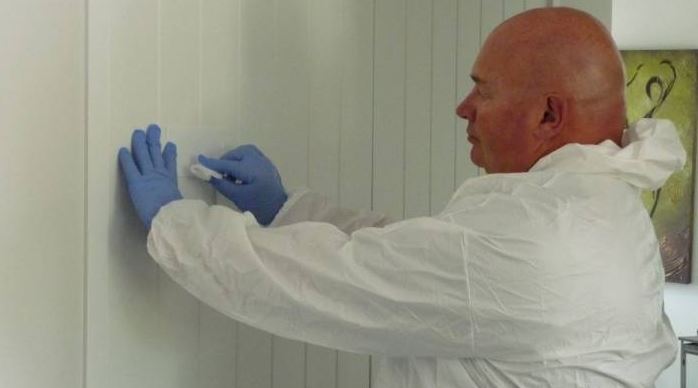 Having its traces detected in your home can land you in danger. They can be traced easily when you move into a house that was previously occupied by a meth user. You should have this screening done to avoid trouble with the authorities.

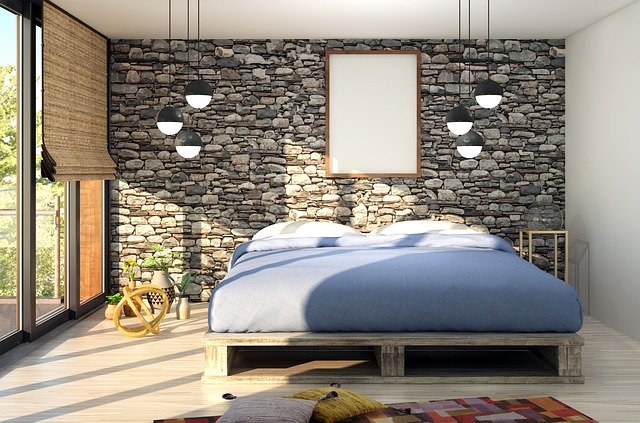 When a mattress is attacked with pests like bugs, dust mites, or other pests, it can give you a great deal of effort to remove them altogether. Your efforts may even be futile against these pests because they may become resistant to pest control substances that you use. Besides, there are a lot of hiding places inside your mattress.
 When the Surface Is Uneven
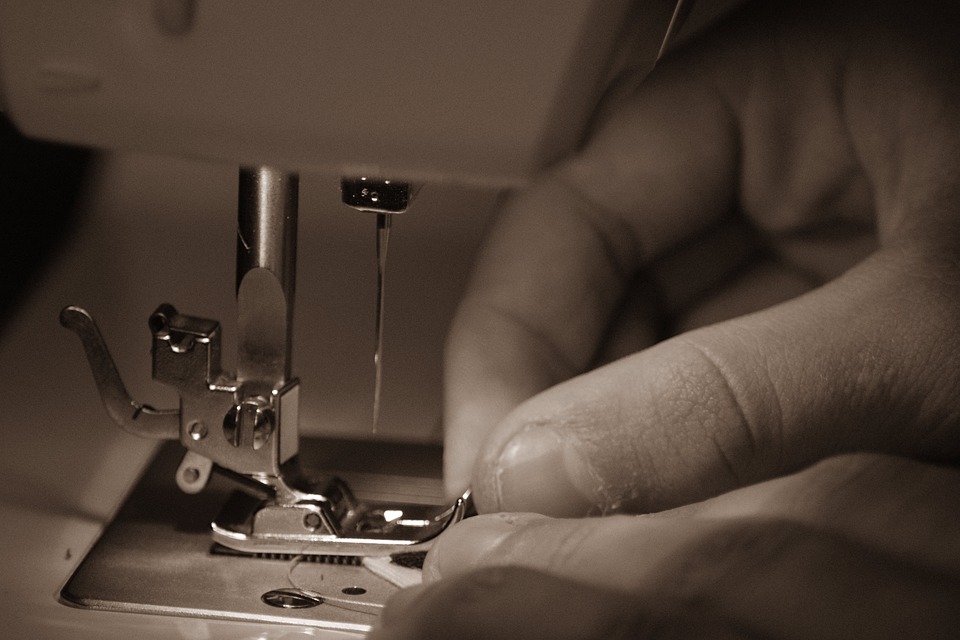 Does the machine allow stitch length adjustment? How many stitches does the machine need? There are crucial aspects that you need to consider when investing in a sewing machine of choice. For people who are new to these machines, you can seek advice from expert tailors on the number of stitches to settle for. Every sewing machine comes with two basic stitch types. The straight and zigzag stitches. Additional sutures are preferred for purposes of creativity and customization.