


Working from home sounds simple. You have your coffee, your favorite chair, and no commute. But then the laundry catches your attention, your phone keeps buzzing, the kitchen needs cleaning, and suddenly an hour has disappeared. The truth is that your home environment can have a surprising effect on how easily you concentrate and get things done. Your surroundings do not have to look like a perfectly styled office either. A few thoughtful changes can make your home feel more supportive of focus and less distracting.
Clutter Can Steal Your Attention
You might be able to ignore that pile of papers on your desk, but your brain may still register it as something that needs attention. A cluttered environment can make it harder to focus because there are simply more things competing for your attention. You do not need to deep-clean your entire home before starting work. Instead, focus on the area where you spend most of your productive time. Clear your desk, put away unnecessary items, and keep only what you actually need nearby. A simpler workspace can make it easier to settle into a task.
Lighting Can Change Your Energy
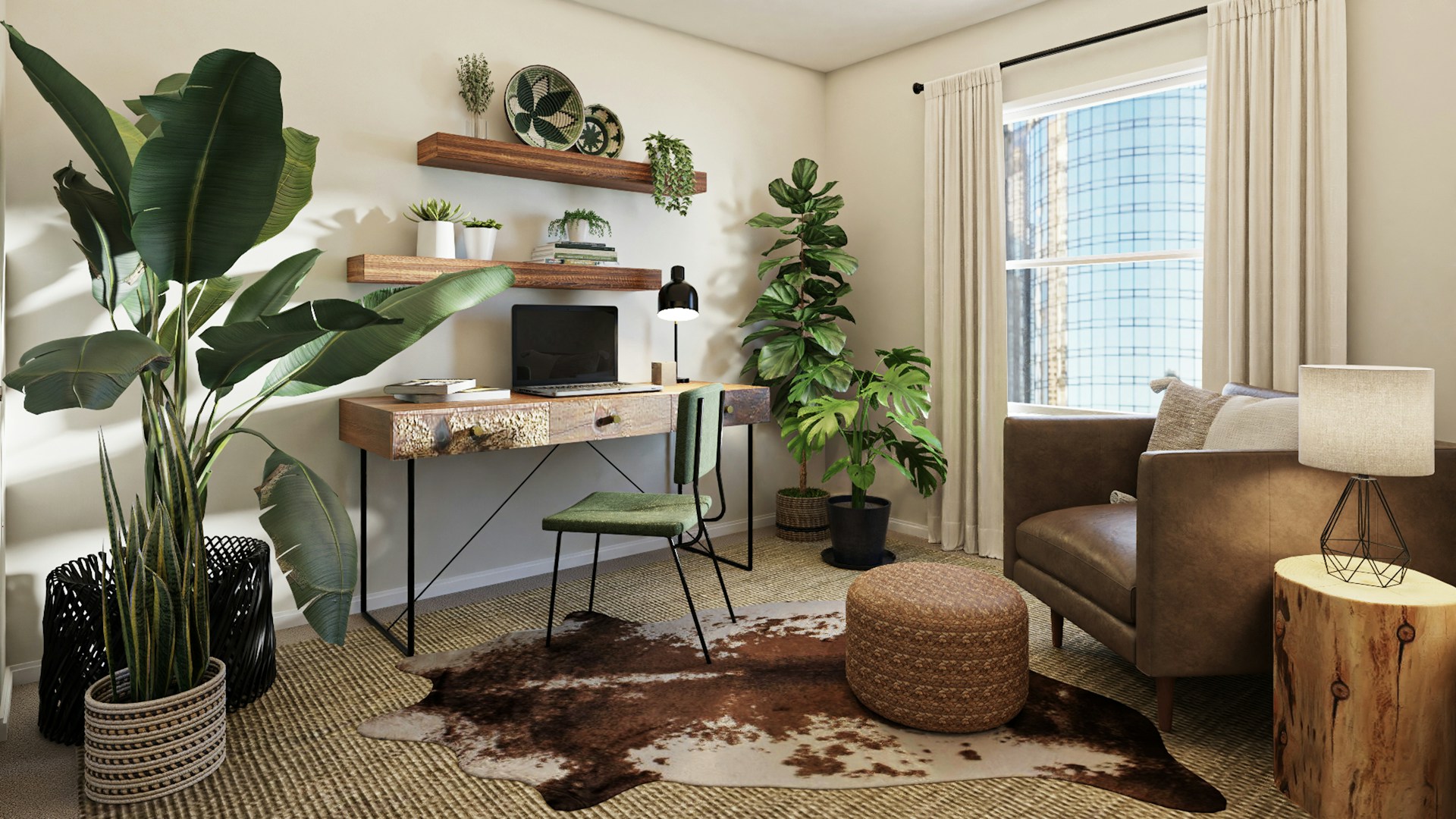
Lighting plays a bigger role in the atmosphere of a room than many people realize. A dark, poorly lit workspace can feel dull and may make you want to curl up rather than tackle your to-do list. Whenever possible, take advantage of natural light. Position your desk near a window if it works for your space. During darker parts of the day, use comfortable lighting that makes it easy to see without creating harsh glare. A brighter, more pleasant room can make your workspace feel more inviting.
Your Chair and Desk Matter
You do not need an expensive office setup to be productive, but physical comfort definitely matters. If your chair hurts your back or your desk is at an awkward height, you may spend more time adjusting yourself than focusing on your work. Pay attention to how your body feels while you work. Make sure your screen is positioned comfortably, your feet have somewhere to rest, and your chair supports you properly. Even small adjustments can make long work sessions feel much easier.
Noise Can Make Concentration Difficult
Some people can work with music playing in the background, while others need almost complete silence. The important thing is figuring out which environment helps you concentrate. If household noise regularly interrupts your focus, try creating a quieter area for important tasks. Closing a door, using headphones, or choosing a quieter time of day can help. If complete silence feels uncomfortable, gentle background sounds may work better than having the television or constant conversations competing for your attention.
Separate Work From Relaxation
One of the biggest challenges of working from home is that your brain can start associating the same space with completely different activities. Your sofa might be where you watch movies, scroll on your phone, eat lunch, and answer emails. Creating some separation can help establish a mental boundary. If you have a dedicated workspace, use it for work as much as possible. Even if you live in a small home, a particular chair, table, or corner can become your designated productivity zone.

Keep Distractions Out of Reach
You know that feeling when you sit down to work and suddenly decide to check your phone “for just a minute”? That minute can easily turn into twenty. Make distractions slightly harder to access. Put your phone across the room when you need serious concentration, close unnecessary browser tabs, and turn off notifications that are not urgent. You do not have to eliminate every distraction. You just need to make the most tempting ones less convenient.
Add Things That Help You Feel Good
Productivity is not only about removing distractions. Your surroundings should also make you feel comfortable and motivated. A plant, a favorite piece of artwork, a pleasant scent, or a comfortable chair can make your workspace feel more enjoyable. The goal is to create an environment that you actually want to spend time in. When your workspace feels pleasant rather than dull or stressful, getting started can become much easier.
Keep Your Space Easy to Reset
A workspace that becomes messy every day can quickly become another source of stress. Creating a simple reset routine can prevent that from happening. At the end of your workday, spend a few minutes returning items to their places, clearing your desk, and preparing what you need for tomorrow. This gives you a clean starting point the next time you sit down. It also creates a useful boundary between work time and personal time.
Your home does not need to look like a professional office to support productivity. What matters is creating a space that feels comfortable, organized, well-lit, and free from unnecessary distractions. Start with one small change. Clear your desk, improve the lighting, move your phone, or create a dedicated work corner. You may be surprised by how much a few simple changes can affect the way you work and feel at home.…











 Finally, a lack of curb appeal can be a major turnoff for buyers. If your home looks unkempt and rundown from the outside, it’s unlikely that buyers will take a second look. Make sure to spruce up your yard with fresh landscaping and paint, as this will make all the difference in how your home is perceived. However, be sure you don’t overdo it – too much landscaping can be off-putting and make the home look unnatural. Paying attention to these top deal breakers can ensure your home stands out from the competition and attracts more buyers.


 When you buy a home, you’re investing in your future. You’re building equity that you can tap into later in life. And, if you decide to sell your home, you’ll likely make a profit. With renting, you’re essentially throwing your money away. Sure, you may use some of that money to save for a down payment on a home, but you’re still paying someone else’s mortgage. When you own your home, your monthly payments go towards something that is yours. Plus, with homeownership comes other benefits like tax breaks. The interest you pay on your mortgage is tax deductible. And, sometimes, you may deduct property taxes as well.
 When you buy a home, you’re also building your credit. Every month, your mortgage payment is reported to the credit bureaus. And, if you make your payments on time, that positive activity will help improve your credit score. Renting doesn’t have the same effect on your credit score. Unless you’re paying the rent with a credit card, you will not likely report your rental payments to the credit bureaus. So, buying a home is better than renting if you want to improve your credit score.
 Having its traces detected in your home can land you in danger. They can be traced easily when you move into a house that was previously occupied by a meth user. You should have this screening done to avoid trouble with the authorities.

 When a mattress is attacked with pests like bugs, dust mites, or other pests, it can give you a great deal of effort to remove them altogether. Your efforts may even be futile against these pests because they may become resistant to pest control substances that you use. Besides, there are a lot of hiding places inside your mattress.
 When the Surface Is Uneven
 Does the machine allow stitch length adjustment? How many stitches does the machine need? There are crucial aspects that you need to consider when investing in a sewing machine of choice. For people who are new to these machines, you can seek advice from expert tailors on the number of stitches to settle for. Every sewing machine comes with two basic stitch types. The straight and zigzag stitches. Additional sutures are preferred for purposes of creativity and customization.