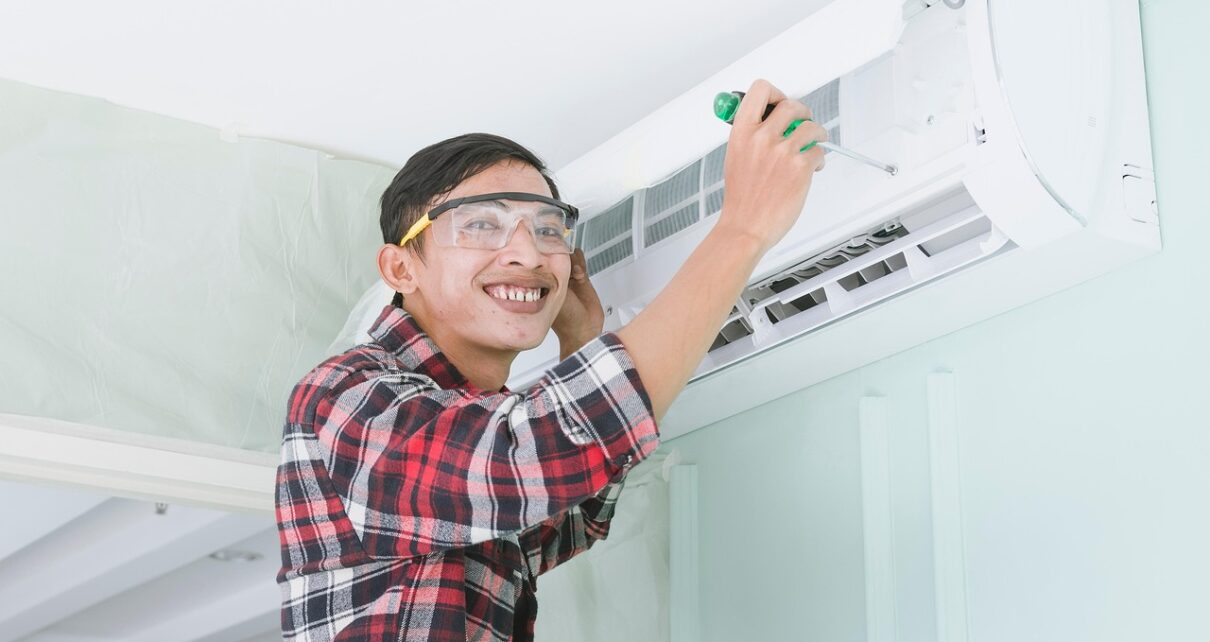
worker
Home

Signs That Your HVAC System Needs Repair or Replacement

Your HVAC system is the unsung hero of your home, quietly working behind the scenes to keep you comfortable year-round. But what happens when it starts showing signs of distress? Just like any other appliance, your heating and cooling unit can run into issues that may require repair or even replacement. Recognizing these signs early can save you from unexpected breakdowns and costly repairs down the line. Let’s dive into some key indicators that suggest it’s time to give your HVAC system a little extra attention.

Strange Noises and Odors

If your HVAC system starts making strange noises, it’s not just a quirky personality trait. Banging, clanking, or hissing sounds can indicate mechanical issues that need immediate attention. A rattling noise might suggest loose parts inside the unit. Meanwhile, high-pitched squeals could point to problems with the fan or motor. Ignoring these sounds may lead to bigger headaches later on. Odors are another red flag. A musty smell often means mold is growing within the ductwork or unit itself. This can affect air quality and pose health risks. Burning smells could signal electrical issues or overheating components—definitely not something you want lingering in your home. If you notice any unusual sounds or scents coming from your HVAC system, it’s best to call in a professional before matters escalate further.

Frequent Breakdowns and High Energy Bills

If your HVAC system is breaking down often, it’s a major red flag. Frequent repairs not only disrupt your comfort but also indicate that something is seriously wrong. Consider the costs involved. Each time you call for service, expenses add up quickly. If you’re spending more on repairs than you would on a monthly energy bill, it’s time to take a closer look at your system’s health. High energy bills can be equally troubling. An inefficient unit struggles to maintain temperature, causing it to work overtime and drive up those utility costs. Don’t ignore these signs; they could signal an aging or failing unit that might need replacement soon. Addressing issues early can save money in the long run and keep your home comfortable year-round.
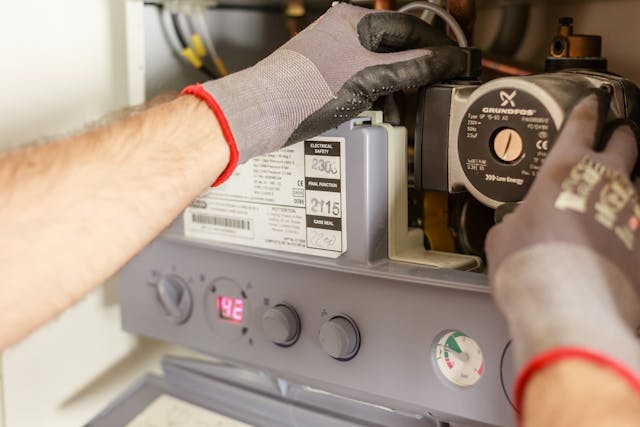
moter

Uneven Heating or Cooling

If you notice that some rooms in your home are sweltering while others feel like iceboxes, it’s time to pay attention. Uneven heating or cooling often signals issues within your HVAC system. This inconsistency could stem from a malfunctioning thermostat. When the thermostat isn’t reading temperatures accurately, it can lead to significant discomfort throughout your space. Another culprit might be blocked ductwork or vents. Dust and debris can restrict airflow, creating hot spots and cold corners in your home. Regular maintenance is key here. Insulation problems also play a role in uneven temperature distribution. Areas with inadequate insulation lose heat more rapidly than well-insulated spaces. An aging HVAC unit may struggle to maintain consistent temperatures across different areas of the house. If this has become a persistent issue, consider having a professional evaluate your system for repairs or upgrades.

Conclusion

Keeping an eye on your HVAC system is crucial for maintaining comfort in your home. Addressing the highlighted issues early can save you time and money down the road. Regular maintenance checks by a professional can also extend the life of your HVAC system, ensuring it runs smoothly when you need it most. Pay attention to these signs to maintain a comfortable environment all year round. Taking action now could prevent larger problems later, keeping your home cozy and efficient.…
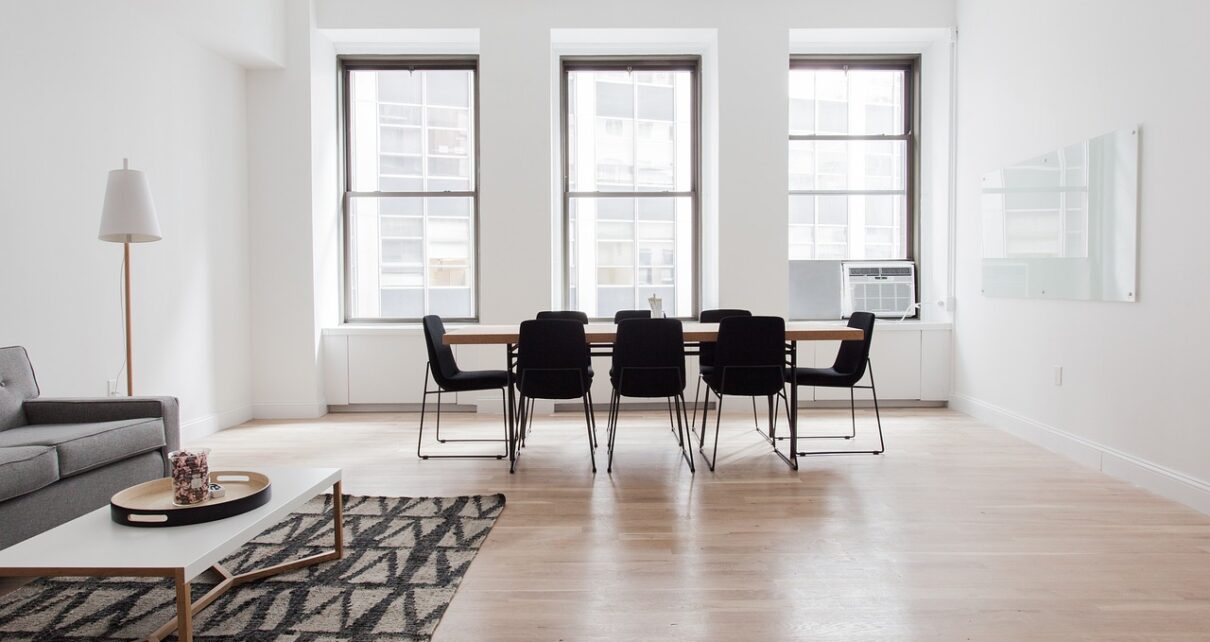
chairs
Home

Considerations When Choosing Floor Options for Your House

When it comes to designing your dream home, one aspect that often gets overlooked is the importance of selecting the right floor options. The flooring you choose not only impacts the overall aesthetics of your house but also plays a significant role in comfort, maintenance, and longevity. With an overwhelming range of materials and styles available in the market, making the right decision can feel daunting. Let’s go over what one needs to keep in mind when choosing floor options for their house.

Lifestyle and Functionality

For high-traffic areas like the entrance, living room, or kitchen, durable materials like hardwood, tile, or laminate are ideal choices, while bedrooms and cozy spaces may benefit from the warmth and softness of carpeting. Before deciding on a particular flooring option, it is critical to consider your lifestyle and the functionalities of each room.

Budget

Setting a budget for your flooring project is essential, as it helps narrow down your choices and prevents overspending. Keep in mind that the cost of materials, installation, and long-term maintenance should all be factored into your budget. While hardwood floors are more expensive initially, they tend to last longer than cheaper options such as vinyl or linoleum.

room

Aesthetic Appeal

Flooring sets the tone for the entire room’s aesthetic, and choosing the right style and design is crucial. Consider the existing decor, color schemes, and architectural style of your house when selecting the flooring. Hardwood floors offer timeless elegance, while tiles can create a modern and sleek appearance. Experiment with different materials to find the perfect fit for each space.

Maintenance and Durability

Assess the maintenance requirements and durability of each flooring option before making your decision. Some materials, like carpet, require regular vacuuming and professional cleaning to retain their freshness, while others, like tile or vinyl, are more resistant to stains and moisture. If you have children or pets, choose a flooring material that can withstand their activities.

Climate Considerations

The climate in your area also plays a role in your flooring selection. In humid areas or basements prone to moisture, moisture-resistant options like porcelain tile or luxury vinyl planks work best. In colder climates, consider underfloor heating systems or carpeting for added warmth and insulation.

Environmental Impact

For those concerned about the environment, it’s important to consider eco-friendly flooring alternatives. Materials such as bamboo, cork, or reclaimed wood not only offer durability but also reduce the negative impact on the environment. Look for certifications like FloorScore or Forest Stewardship Council (FSC) labels to ensure sustainable sourcing.

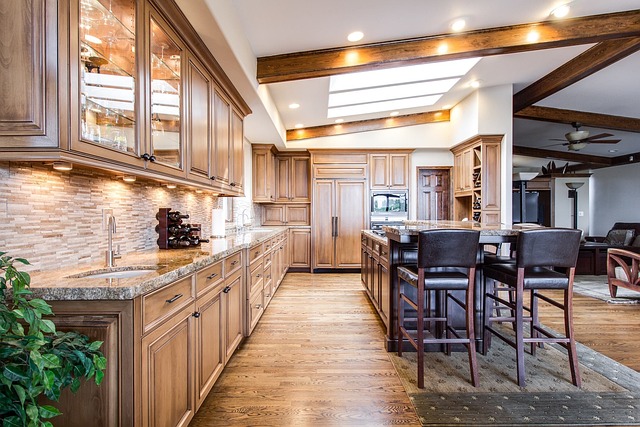
kichent

Noise Reduction

If noise reduction is a priority, particularly in multi-story homes or flats, consider sound-absorbing flooring alternatives. Carpeting or cork flooring can reduce noise transmission and provide a calmer living environment.

Conclusion

Choosing the best floor alternatives for your home necessitates careful consideration of several criteria, including lifestyle, price, aesthetics, upkeep, climate, and environmental effects. Understanding your requirements and preferences allows you to make educated decisions that assure both utility and beauty in every area. Remember that the flooring you select will serve as the basis for your home’s design, so take your time, look into numerous possibilities, and consult with professionals as needed.…