

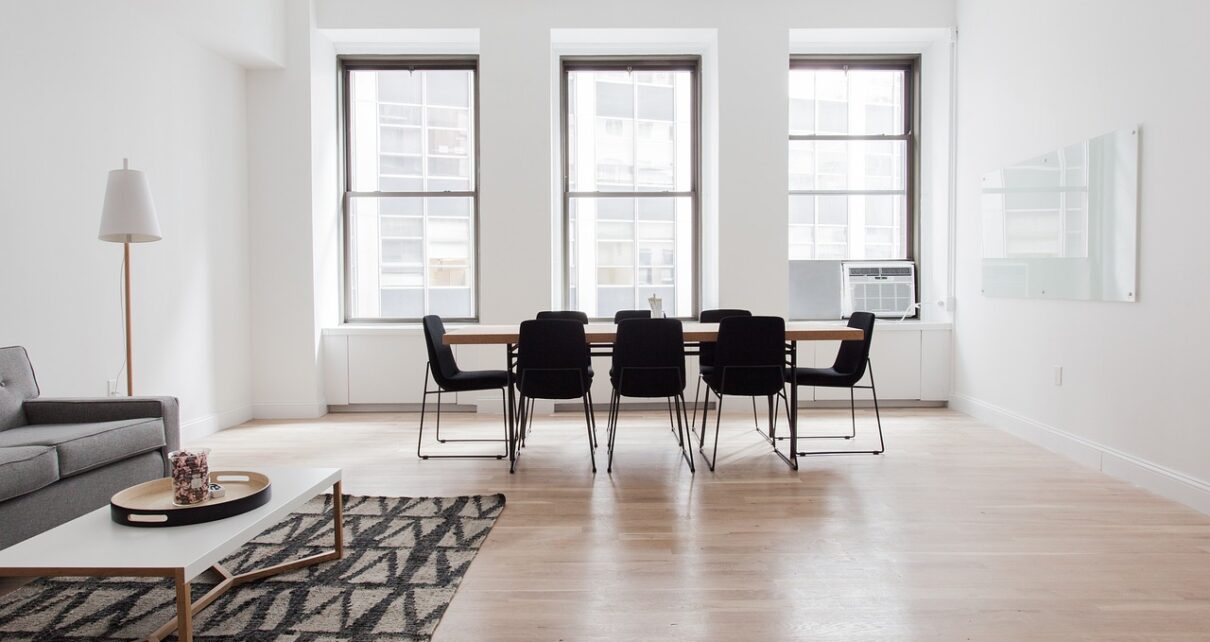
When it comes to designing your dream home, one aspect that often gets overlooked is the importance of selecting the right floor options. The flooring you choose not only impacts the overall aesthetics of your house but also plays a significant role in comfort, maintenance, and longevity. With an overwhelming range of materials and styles available in the market, making the right decision can feel daunting. Let’s go over what one needs to keep in mind when choosing floor options for their house.
Lifestyle and Functionality
For high-traffic areas like the entrance, living room, or kitchen, durable materials like hardwood, tile, or laminate are ideal choices, while bedrooms and cozy spaces may benefit from the warmth and softness of carpeting. Before deciding on a particular flooring option, it is critical to consider your lifestyle and the functionalities of each room.
Budget
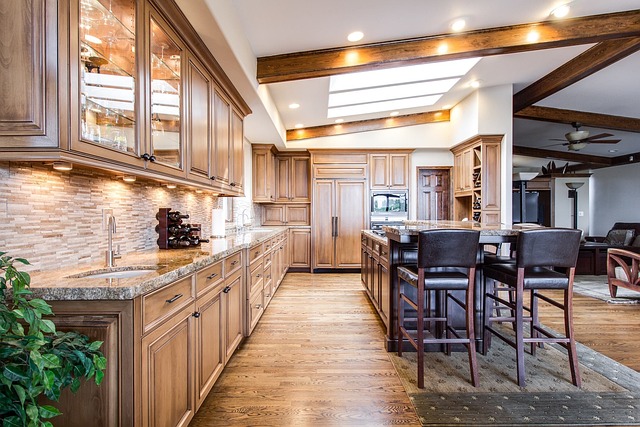
Setting a budget for your flooring project is essential, as it helps narrow down your choices and prevents overspending. Keep in mind that the cost of materials, installation, and long-term maintenance should all be factored into your budget. While hardwood floors are more expensive initially, they tend to last longer than cheaper options such as vinyl or linoleum.
Aesthetic Appeal
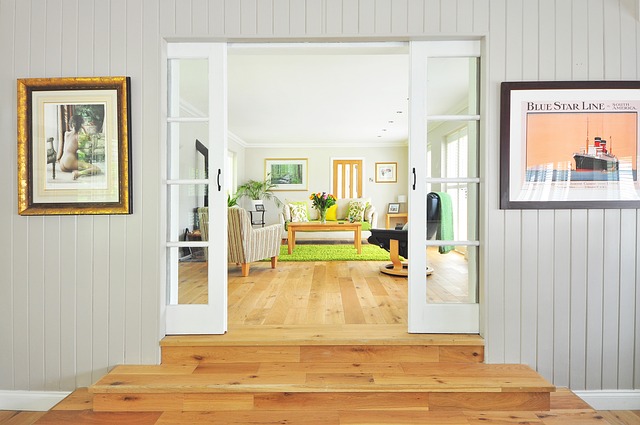
Flooring sets the tone for the entire room’s aesthetic, and choosing the right style and design is crucial. Consider the existing decor, color schemes, and architectural style of your house when selecting the flooring. Hardwood floors offer timeless elegance, while tiles can create a modern and sleek appearance. Experiment with different materials to find the perfect fit for each space.
Maintenance and Durability
Assess the maintenance requirements and durability of each flooring option before making your decision. Some materials, like carpet, require regular vacuuming and professional cleaning to retain their freshness, while others, like tile or vinyl, are more resistant to stains and moisture. If you have children or pets, choose a flooring material that can withstand their activities.
Climate Considerations
The climate in your area also plays a role in your flooring selection. In humid areas or basements prone to moisture, moisture-resistant options like porcelain tile or luxury vinyl planks work best. In colder climates, consider underfloor heating systems or carpeting for added warmth and insulation.
Environmental Impact
For those concerned about the environment, it’s important to consider eco-friendly flooring alternatives. Materials such as bamboo, cork, or reclaimed wood not only offer durability but also reduce the negative impact on the environment. Look for certifications like FloorScore or Forest Stewardship Council (FSC) labels to ensure sustainable sourcing.
Noise Reduction
If noise reduction is a priority, particularly in multi-story homes or flats, consider sound-absorbing flooring alternatives. Carpeting or cork flooring can reduce noise transmission and provide a calmer living environment.
Conclusion
Choosing the best floor alternatives for your home necessitates careful consideration of several criteria, including lifestyle, price, aesthetics, upkeep, climate, and environmental effects. Understanding your requirements and preferences allows you to make educated decisions that assure both utility and beauty in every area. Remember that the flooring you select will serve as the basis for your home’s design, so take your time, look into numerous possibilities, and consult with professionals as needed.…

 When you buy a home, you’re investing in your future. You’re building equity that you can tap into later in life. And, if you decide to sell your home, you’ll likely make a profit. With renting, you’re essentially throwing your money away. Sure, you may use some of that money to save for a down payment on a home, but you’re still paying someone else’s mortgage. When you own your home, your monthly payments go towards something that is yours. Plus, with homeownership comes other benefits like tax breaks. The interest you pay on your mortgage is tax deductible. And, sometimes, you may deduct property taxes as well.
 When you buy a home, you’re also building your credit. Every month, your mortgage payment is reported to the credit bureaus. And, if you make your payments on time, that positive activity will help improve your credit score. Renting doesn’t have the same effect on your credit score. Unless you’re paying the rent with a credit card, you will not likely report your rental payments to the credit bureaus. So, buying a home is better than renting if you want to improve your credit score.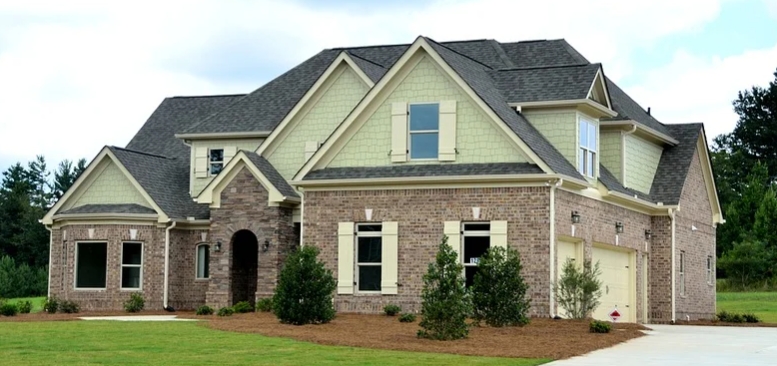
 Purchasing a home is exciting and an important event in your life. However, you need to be realistic and look for properties that you can afford. This means you have to determine the amount you can afford as stamp duty, home loan repayments, and stamp duty fees. Make sure you tailor your search for the home according to what you can afford.
 As you check open homes, think of the property as an investment and is your dream home. Make sure you pay attention to the important features of the home. If you decide to relocate and sell your home, you can get a great price. When you get the ideal home, make an offer. Making an offer early can get you a discount.…
 Best general: Hoover FH50150 Carpet Basics Power Scrub Deluxe Carpet Cleaner
 Best high-end: Bissell 86T3 / 86T3Q Big Green Deep Cleaning Carpet Cleaner